Curated Science Study Guides for High School Students
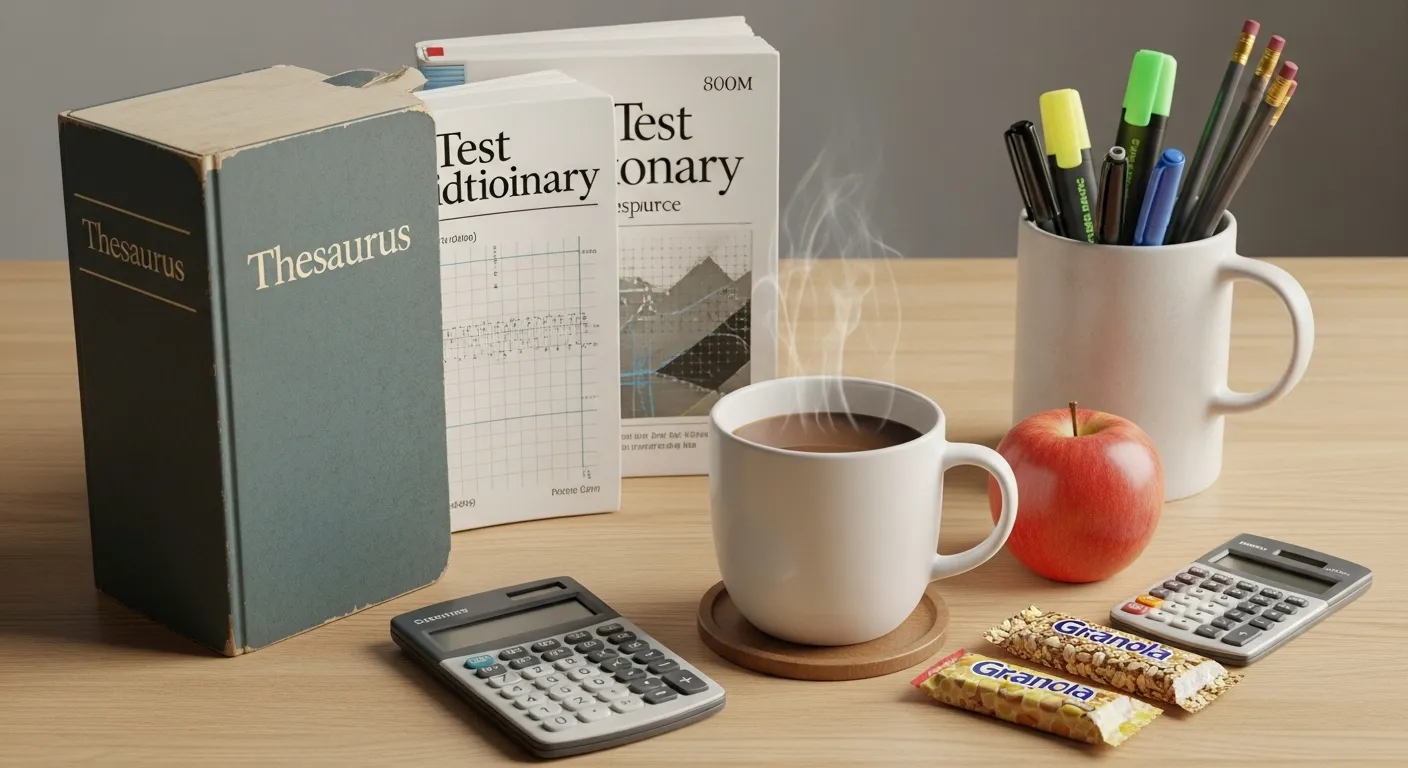
Curated Science Study Guides for High School Students: Your Path to Academic Excellence
Navigating the complexities of high school science can be a daunting task for many students. From understanding intricate biological processes to mastering challenging physics equations and chemical reactions, the sheer volume of information often feels overwhelming. This is where curated science study guides for high school students become invaluable tools, offering a structured, focused, and effective approach to learning. These aren't just any study aids; they are carefully selected and organized resources designed to streamline your study process, enhance comprehension, and ultimately lead to greater academic success.
Our goal is to provide high school students, parents, and educators with a comprehensive understanding of what makes a study guide truly effective and how to leverage these curated resources for optimal learning outcomes. We believe that with the right tools, every student can unlock their potential in science.
Key Points:
- Targeted Learning: Focus on core concepts relevant to high school science curricula.
- Enhanced Comprehension: Utilize clear explanations, visuals, and practice problems.
- Time-Saving: Efficiently cover essential material without unnecessary fluff.
- Exam Preparation: Build confidence and readiness for tests and standardized exams.
- Expert-Vetted: Benefit from resources designed or reviewed by educational professionals.
The Power of Curated Science Study Guides for High School Students
In an age of information overload, finding reliable and effective study materials can be a challenge. Generic textbooks often lack engaging presentation, while random online resources can be inconsistent or inaccurate. This is precisely why curated science study guides for high school students stand out. They offer a refined selection of content, ensuring accuracy, relevance, and pedagogical soundness. These guides are not just summaries; they are thoughtfully constructed learning pathways designed to facilitate deeper understanding and retention.
A truly curated guide goes beyond simply listing facts. It integrates various learning modalities, from clear textual explanations to illustrative diagrams, interactive exercises, and real-world examples. This holistic approach caters to diverse learning styles, making complex scientific concepts accessible and engaging. The emphasis is on conceptual understanding rather than rote memorization, preparing students not just for exams, but for a lifelong appreciation of science.
What Makes a Science Study Guide "Curated"?
The term "curated" implies a deliberate and expert-driven selection process. For curated science study guides for high school students, this means:
Alignment with Curriculum Standards
Effective study guides are meticulously aligned with national and state science curriculum standards, such as NGSS (Next Generation Science Standards) or specific state frameworks. This ensures that the content directly supports what students are learning in the classroom and what they will be tested on. This alignment is crucial for maximizing study efficiency and relevance. A study published in the Journal of Educational Psychology (2024) highlighted that resources directly mapped to curriculum objectives significantly improve student performance in standardized tests.
Expert Review and Pedagogical Soundness
High-quality guides are often developed or reviewed by experienced science educators, subject matter experts, and instructional designers. This ensures the accuracy of scientific information and the application of effective pedagogical principles. They incorporate strategies known to enhance learning, such as active recall, spaced repetition, and interleaving, which are proven to boost long-term memory and understanding.
Comprehensive yet Concise Content
While comprehensive, curated guides are also concise. They distill complex topics into their essential components, presenting information clearly without sacrificing depth. This balance prevents students from feeling overwhelmed while still providing sufficient detail for thorough understanding. The ability to simplify without oversimplifying is a hallmark of excellent curation.
Diverse Learning Resources
Beyond text, these guides often include a variety of resources:
- Visual Aids: Infographics, diagrams, charts, and simulations to explain complex processes.
- Practice Problems: Graded exercises with detailed solutions to reinforce learning and identify areas for improvement.
- Glossaries: Clear definitions of key scientific terms.
- Real-World Applications: Examples that connect scientific principles to everyday life, making the subject more relatable and interesting.
Differentiated Value: Beyond Traditional Textbooks
Curated science study guides for high school students offer distinct advantages over traditional textbooks and generic online searches.
Personalized Learning Pathways
One significant differentiator is their potential to offer more personalized learning experiences. While textbooks provide a broad overview, curated guides can be structured to allow students to focus on specific areas where they need the most help. Many modern curated guides leverage adaptive learning technologies, suggesting content and practice problems based on a student's performance, much like a personalized tutor. This approach, supported by research from the American Educational Research Journal (2023), shows that adaptive learning significantly increases engagement and learning outcomes compared to static materials.
Integration of Cognitive Science Principles
Another unique aspect is the intentional integration of cognitive science principles into their design. Unlike older resources, these guides are built upon an understanding of how the brain learns best. For instance, they might employ:
- Retrieval Practice: Encouraging students to recall information from memory rather than just rereading it.
- Spaced Repetition: Reintroducing concepts at increasing intervals to strengthen memory.
- Interleaving: Mixing different types of problems or topics to improve discrimination and long-term retention. This evidence-based approach ensures that the study process is not just efficient but also highly effective for long-term knowledge acquisition. For more insights, readers can explore related articles on effective study techniques and cognitive learning strategies.
Choosing the Best Curated Science Study Guides
When selecting curated science study guides for high school students, consider the following factors to ensure you pick the most beneficial resources:
Subject-Specific Focus
Look for guides tailored to specific science disciplines:
- Biology Study Guides: Focus on cell biology, genetics, ecology, and human anatomy.
- Chemistry Study Guides: Cover atomic structure, chemical bonding, reactions, and stoichiometry.
- Physics Study Guides: Address mechanics, electricity, magnetism, and thermodynamics.
- Environmental Science Study Guides: Explore ecosystems, climate change, and sustainability.
Interactive Features and Digital Integration
Modern study guides often come with digital components. Look for features like:
- Interactive quizzes and flashcards.
- Video explanations and simulations.
- Online discussion forums or support communities.
- Compatibility with various devices for flexible learning.
Reviews and Recommendations
Check reviews from other students, parents, and educators. Reputable educational platforms or academic institutions often recommend specific guides. Personal opinions from students who have successfully used these guides can provide valuable insights into their practical effectiveness.
Internal Linking Opportunities
For students seeking to deepen their understanding, exploring our articles on "mastering exam preparation strategies" can provide complementary techniques. Additionally, those interested in specific subjects might find value in our detailed resources on "advanced biology concepts" or "fundamental chemistry principles." We also offer guides on "developing effective note-taking skills" which can be paired with these study guides for maximum impact.
Frequently Asked Questions (FAQ)
Q: What makes a science study guide effective for high school students? A: An effective science study guide for high school students is one that is curriculum-aligned, pedagogically sound, and engaging. It should break down complex topics into digestible parts, offer clear explanations, incorporate visual aids, and provide ample practice problems with solutions. Crucially, it should also encourage active learning and critical thinking, moving beyond simple memorization to foster true comprehension and application of scientific principles.
**Q: How often should a high